
Elevator Industry Aptitude Test (EIAT) Prep: Three Sections, One Apprenticeship Gate
The EIAT is the single test that stands between you and one of the best-paid trades apprenticeships in the country. Elevator constructors earn six figures in most major metros after they journey out, and the IUEC apprenticeship is the pipeline. NEIEP, the National Elevator Industry Educational Program, runs the aptitude test at its own pace, and it is not a forgiving exam. Three sections. No calculator. No partial credit. You pass or you wait until the next testing window opens.
By PrepClubs Editorial Team, updated October 8, 2026
The Elevator Industry Aptitude Test (EIAT) is a paper-and-pencil aptitude exam administered by the National Elevator Industry Educational Program (NEIEP) for every IUEC apprenticeship pipeline in the United States. It has 100 multiple-choice questions in three sections: reading comprehension (35), mechanical aptitude (35) and mathematics (30). NEIEP does not publish a time limit. The passing threshold is 70 percent. Most candidates lose points on the mechanical comprehension section, which covers gears, pulleys, levers, hydraulics, basic circuits, and spatial visualization.
Source: NEIEP (neiep.org) EIAT applicant study guide and IUEC apprenticeship admission documentation.
Mechanical-heavy drilling that matches NEIEP scoring
Official facts checked 8 Oct 2026
How long is the Elevator Industry Aptitude Test (EIAT) and how many questions does it have?
The Elevator Industry Aptitude Test (EIAT) has 100 multiple-choice questions, according to the 2024 study guide from NEIEP, the National Elevator Industry Educational Program. Reading Comprehension is 35 questions, Mechanical Aptitude is 35 and Mathematics is 30. The test is given on paper and the pass mark is 70% correct. NEIEP does not publish a time limit or a calculator rule.
“The EIAT is administered on paper as part of the recruitment process. It consists of 100 multiple choice questions.”
“The Elevator Industry Aptitude Test EIAT is scored on a pass/fail basis, with 70% correct being the minimum passing grade.”
Which EIAT practice tests are on PrepClubs, and how long is each one?
PrepClubs has 8 EIAT practice tests: 8 full-length forms, 720 questions in all. Every one runs 90 questions on a 90-minute timer, 60 s per question.
The question count, time limit and question mix in each row are read from the question bank that runs the live tests, last on 8 Oct 2026, so each row matches what the test shows when you open it. Our forms are shorter than the real test: 90 questions, 30 per section, on a 90-minute practice timer. NEIEP publishes no time limit, so the timer is a practice setting.
Showing 8 of 8 EIAT practice tests
- Math
- Mechanical comprehension
- Verbal
| Question mix | Calculator | Guide | |||||
|---|---|---|---|---|---|---|---|
| EIAT Practice Test 1 Full-length | 90 | 90 min | 60 s | Math 30 · Mechanical comprehension 30 · Verbal 30 | Not allowed | Mechanical reasoning | |
| EIAT Practice Test 2 Full-length | 90 | 90 min | 60 s | Math 30 · Mechanical comprehension 30 · Verbal 30 | Not allowed | Mechanical reasoning | |
| EIAT Practice Test 3 Full-length | 90 | 90 min | 60 s | Math 30 · Mechanical comprehension 30 · Verbal 30 | Not allowed | Mechanical reasoning | |
| EIAT Practice Test 4 Full-length | 90 | 90 min | 60 s | Math 30 · Mechanical comprehension 30 · Verbal 30 | Not allowed | Mechanical reasoning | |
| EIAT Practice Test 5 Full-length | 90 | 90 min | 60 s | Math 30 · Mechanical comprehension 30 · Verbal 30 | Not allowed | Mechanical reasoning | |
| EIAT Practice Test 6 Full-length | 90 | 90 min | 60 s | Math 30 · Mechanical comprehension 30 · Verbal 30 | Not allowed | Mechanical reasoning | |
| EIAT Practice Test 7 Full-length | 90 | 90 min | 60 s | Math 30 · Mechanical comprehension 30 · Verbal 30 | Not allowed | Mechanical reasoning | |
| EIAT Practice Test 8 Full-length | 90 | 90 min | 60 s | Math 30 · Mechanical comprehension 30 · Verbal 30 | Not allowed | Mechanical reasoning |
Sources
- NEIEP: EIAT study guide, 2024 (PDF) (neiep.org), checked 8 Oct 2026
- NEIEP: IUEC apprenticeship FAQ (neiep.org), checked 8 Oct 2026
- PrepClubs question bank, the files behind the live EIAT practice tests, read 8 Oct 2026
“Not published” means the publisher does not state that fact on any page we could find. We leave it blank instead of quoting a prep site.
What the EIAT actually is
The Elevator Industry Aptitude Test, administered by NEIEP, is the required screening exam for admission to any NEIEP-affiliated apprenticeship program, which covers nearly every International Union of Elevator Constructors (IUEC) local in the United States. The test is paper-and-pencil, multiple choice, and covers three sections: reading comprehension, arithmetic, and mechanical comprehension. Calculators are not allowed.
NEIEP's 2024 study guide lists 100 multiple-choice questions: 35 reading comprehension, 35 mechanical aptitude and 30 mathematics. NEIEP does not publish a time limit, so ask your local how long the session runs when you schedule. NEIEP issues a study guide that candidates are strongly encouraged to work through before test day. The passing threshold is 70 percent, and NEIEP tells you only whether you passed or failed.
NEIEP uses the EIAT purely as a screen. It does not rank candidates for apprenticeship spots. Once you pass, you enter a local applicant pool that is ranked by other factors: interview performance, veteran preference, and local criteria that vary by jurisdiction. Failing the EIAT means you wait until the next testing window, which can be 6 to 12 months away.
The three EIAT sections
The NEIEP study guide lists three sections. Question counts vary slightly by form year but the section structure has been stable.
Reading Comprehension (35 questions)
Short passages followed by questions on main idea, detail, inference, vocabulary in context, and grammar. Some forms include sentence-completion and spelling items. The reading level is slightly below community college, similar to a technical manual.
Mathematics (30 questions)
Basic arithmetic, fractions, decimals, percentages, simple word problems. No calculator. NEIEP's study guide also lists basic algebra: solving equations and working with formulas. Speed matters more than depth here.
Mechanical Aptitude (35 questions)
Gears, pulleys, levers, hydraulics, electrical circuits basics, spatial visualization. This is the section where most candidates lose points because the content is unfamiliar if you have not worked with machinery before.
Passing threshold: 70 percent overall
Pass each section and overall at the 70 percent line. Some NEIEP administrations weight sections differently. Check your local testing notification for specifics.
Try a few EIAT sample questions
Four representative items spanning vocabulary, arithmetic, and mechanical reasoning. Click to reveal the answer and walkthrough.
- A.clever
- B.hardworking
- C.sleepy
- D.rude
- E.lazy
- A.sell
- B.examine closely
- C.destroy
- D.hide
- E.replace
- A.inside
- B.far from
- C.above
- D.next to
- E.beneath
- A.part
- B.summary
- C.plan
- D.whole
- E.tool
Real EIAT mechanical question examples
Three diagram items pulled from the PrepClubs EIAT bank. The mechanical section is where most candidates lose points, so seeing the exact item style matters before test day.
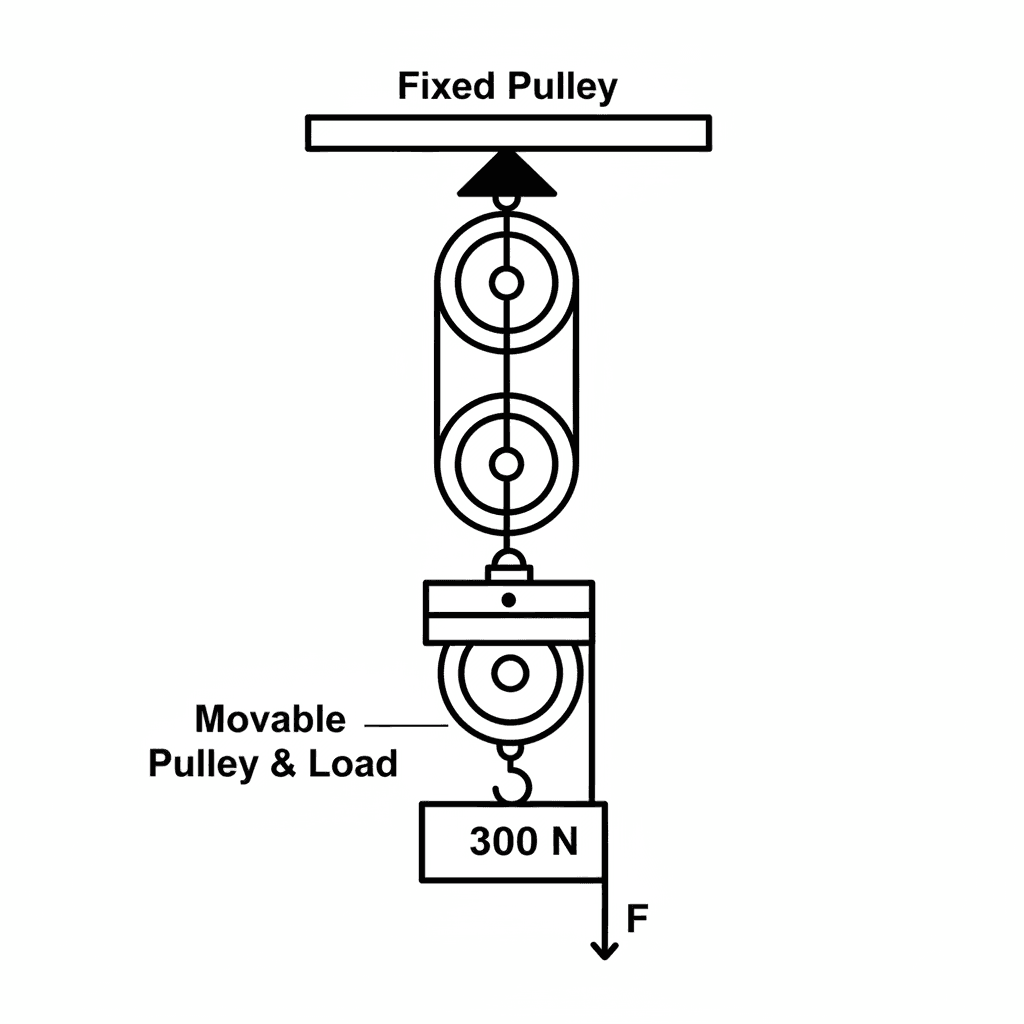
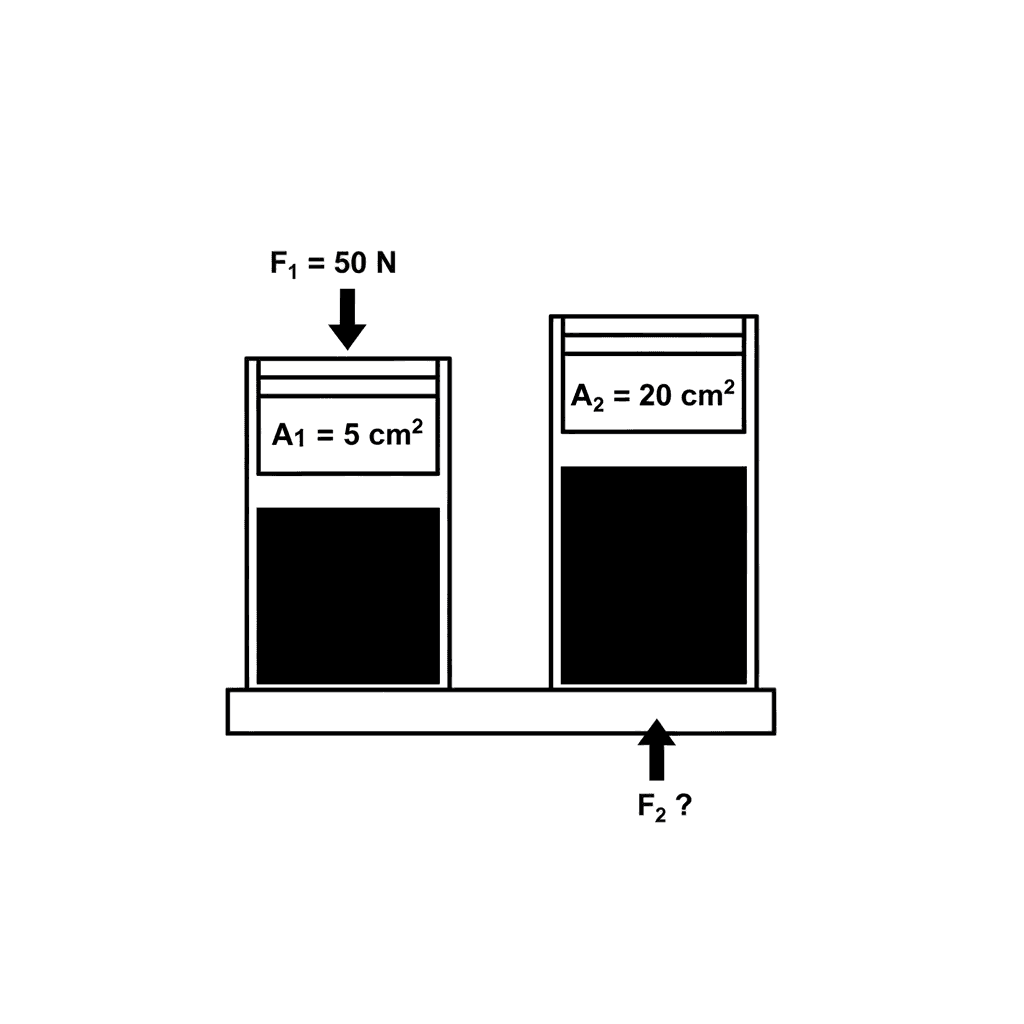
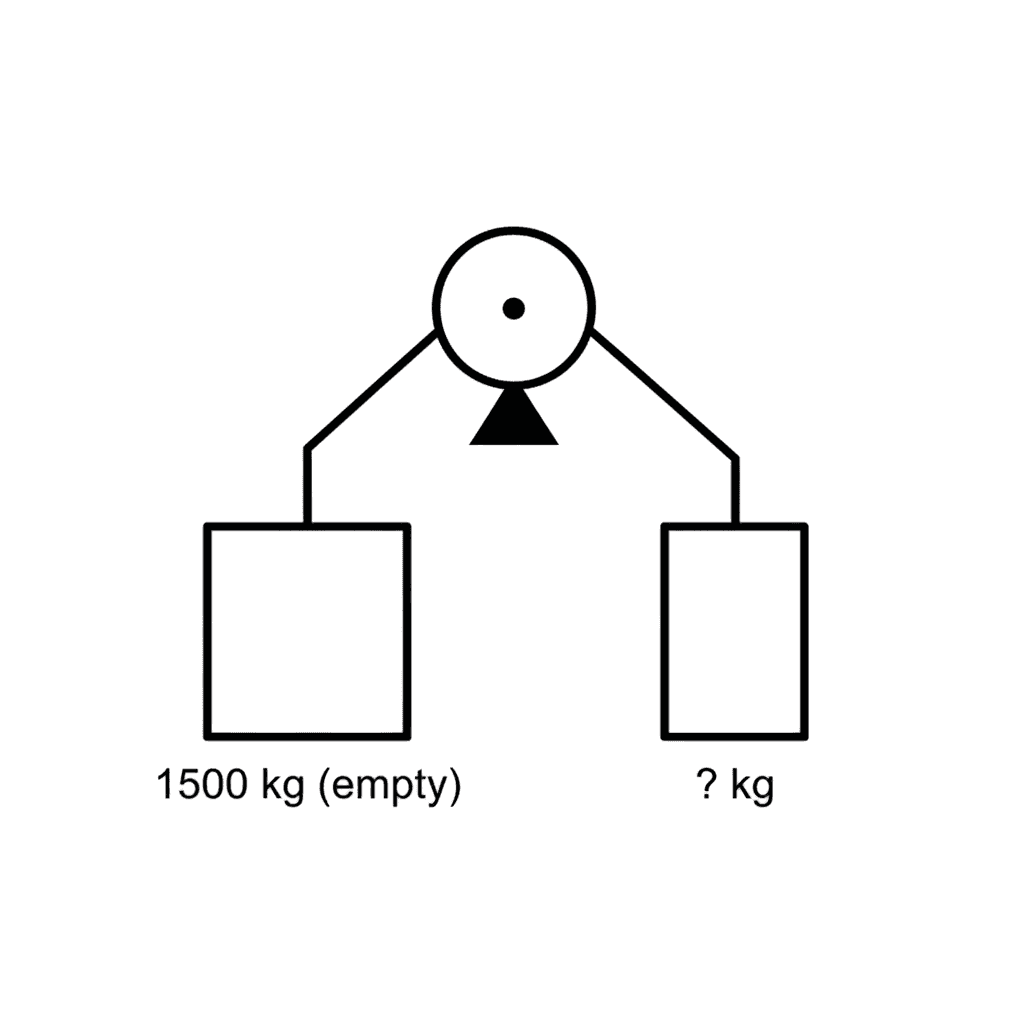
PrepClubs ships 720 EIAT items across 7 full-length mocks. Per-section scoring shows whether reading, arithmetic, or mechanical is leaking points.
EIAT vs IBEW vs Wiesen vs Ramsay: which trades test does your apprenticeship require?
All four are gates to skilled-trade apprenticeships or jobs. The format and content emphasis differ enough that prep does not transfer cleanly between them.
| Spec | EIAT | IBEW Aptitude | Wiesen WTMA | Ramsay MAT-4 |
|---|---|---|---|---|
| Total questions | 100 | 69 | 60 | 36 |
| Time limit | Not published | 97 min | 30 min | 20 min |
| Sections | Reading, arithmetic, mechanical | Algebra, reading | Mechanical only | Mechanical only |
| Calculator | No | No | No | No |
| Mechanical content | Yes (third of test) | No | All of test | All of test |
| Math content | Basic arithmetic, fractions, percentages | First-year algebra | No | No |
| Audience | IUEC elevator apprenticeships | IBEW electrician apprenticeships | Logistics, freight, transit, FedEx, UPS | Manufacturing, utilities, auto assembly |
| Passing threshold | 70 percent overall | Scaled score 4 minimum | Role-specific cutoff | 29 of 36 typical |
| PrepClubs questions | 720 | 552 | 320+ | 288 |
Why NEIEP weights mechanical so heavily and what that means for prep
The history of NEIEP and the EIAT
NEIEP, the National Elevator Industry Educational Program, was founded in 1986 as a joint labor-management trust between the IUEC (International Union of Elevator Constructors) and the National Elevator Industry, Inc. NEIEP runs the apprenticeship curriculum, the journeyman training programs, and the EIAT itself. The EIAT has been the standardized national entrance exam for IUEC apprenticeships since the early 1990s.
Before NEIEP, individual IUEC locals ran their own admission exams. Quality varied, and the union pushed for a single national standard so apprentices entering the program had a consistent baseline. The EIAT was designed against the actual job tasks of an elevator constructor: reading technical manuals, performing jobsite arithmetic without a calculator, and reasoning about mechanical systems. The three-section structure has not changed materially since.
Elevator constructor compensation is among the highest in the unionized trades. Journeyman pay in major metros (NYC Local 1, LA Local 18, Chicago Local 2) routinely exceeds $130 per hour with benefits package included. The wait list is correspondingly competitive. Passing the EIAT does not guarantee a spot, but failing it removes you from contention for a full testing cycle.
Why mechanical comprehension is the failure-point section
Across NEIEP score reports, the mechanical comprehension section is consistently the lowest-scoring of the three. Candidates without prior trade exposure (welding, auto repair, machinery operation) often see this content cold. Pulleys, gears, levers, and hydraulics are intuitive only if you have hands-on experience or solid high-school physics.
Reading and arithmetic, by contrast, are familiar territory. Most candidates have practiced reading comprehension in school or on the SAT. Arithmetic is rebuildable in a week with daily fraction and percentage drills. Mechanical comprehension requires concept-by-concept exposure that many candidates have never had.
The fix is targeted prep on the five concept families NEIEP weights: pulleys, gears, levers, hydraulics, and basic circuits. The NEIEP study guide gives examples of each, but the count is too small for real intuition. PrepClubs ships 720 EIAT-style items, of which roughly 280 are mechanical comprehension, more than enough to build pattern recognition for every common variant.
What happens after you pass the EIAT
Passing the EIAT puts you into the local IUEC applicant pool. The pool is then ranked by a combination of interview score, EIAT performance per section, veteran preference, and local criteria that vary by jurisdiction. Some locals weight the interview heavily. Some weight EIAT mechanical scores heavily. Some give significant priority to candidates with prior trade-related work history.
From the ranked pool, apprenticeship openings are filled top-down. Openings appear when the local commits to new apprentice headcount, which depends on construction-pipeline forecasts and journeyman retirement projections. In growth metros (Texas, Florida, Pacific Northwest), openings appear annually. In flat or declining metros, the wait between openings can stretch two or three years.
Once dispatched, the apprenticeship runs four years with classroom instruction at the local NEIEP training center alongside on-the-job work with a journeyman crew. First-year pay is typically 50 percent of journeyman scale, climbing each year. By year four, apprentices earn close to journeyman wages and qualify for the journeyman exam.
Build the rest of your prep stack
EIAT scoring and what happens after you pass
The EIAT is scored pass or fail at 70 percent. NEIEP also reports your performance per section, which some IUEC locals use when ranking candidates for interview. A candidate who passes overall but bombed mechanical comprehension may rank below a candidate who scored consistently across all three.
After you pass, you enter a local applicant pool. The local IUEC, in coordination with NEIEP, ranks the pool by a combination of interview score, aptitude performance, veteran preference, and any relevant mechanical work history. When apprenticeship openings arise, usually annually or biennially, the top-ranked candidates are dispatched.
Failing the EIAT means you cannot reapply until the next testing window. NEIEP typically runs two to four testing windows per year per region, so a failed test can cost you 6 to 12 months of waiting. This is why NEIEP recommends candidates prepare seriously before registering.
Who uses the EIAT?
The EIAT is the required entrance exam for every NEIEP-affiliated elevator apprenticeship, covering virtually all IUEC locals in the United States. Pass it to enter the local applicant pool.
A 3-week EIAT prep plan focused on the mechanical section
Week 1, Day 1 to 2: Diagnostic and NEIEP study guide
Download the NEIEP EIAT study guide. Take the sample items cold, section by section. Note exactly which section hurt you most. For most candidates, it is mechanical. For a small minority, it is arithmetic (fractions under time pressure).
Week 1, Day 3 to 5: Arithmetic speed drills
30 arithmetic items per day, no calculator. Mix fractions, decimals, and percentages. Target 30 to 40 seconds per item. The arithmetic section has easier content than the IBEW algebra test, but the time per item is tighter.
Week 1, Day 6 to 7: Reading comprehension
2 to 3 passages per day. Practice marking the main idea on the first read. Work through the NEIEP study guide passages twice if you have them. Rest on Day 7.
Week 2, Day 1 to 3: Mechanical reasoning foundations
Start with levers and pulleys. Learn the single rule for each (effort times distance, count supporting ropes). 20 items per day from the NEIEP study guide or equivalent. Untimed first, then timed at 40 seconds each.
Week 2, Day 4 to 5: Gears, hydraulics, and circuits
Smaller gear spins faster. Larger hydraulic piston exerts more force. Series versus parallel circuit basics. 25 mixed items per day.
Week 2, Day 6 to 7: Spatial visualization
Rotations, mental folding, 2D-to-3D visualization. 15 items per day. Candidates with engineering or drafting backgrounds pick these up fast. Candidates without that background should drill longer.
Week 3, Day 1: Full timed mock
Full-length 3-section mock under real time. Simulate the break between sections. Record your score per section.
Week 3, Day 2 to 4: Error drill and targeted review
Redo every wrong answer from the mock. Identify the 3 concept areas with the most errors and spend 30 minutes on each per day.
Week 3, Day 5 to 6: Second full mock and rest
Take a second full mock on Day 5. If you passed by 5 or more points, you are ready. Rest Day 6. Test Day 7.
Three EIAT mistakes that lose the apprenticeship year
Ignoring the NEIEP study guide
NEIEP publishes a free study guide with sample items that are representative of the real test in style and difficulty. Candidates who skip it are leaving the most useful prep source on the table. Always start there.
Over-preparing reading, under-preparing mechanical
Most candidates feel confident in reading and underweight mechanical prep. The mechanical section is the killer. Spend roughly 50 percent of your prep time on mechanical, even if it is not your weakest section on paper.
Using a calculator in practice
You will not have a calculator on test day. Practicing with one creates a false sense of speed. Do every arithmetic drill by hand from the first session.
Related reading
EIAT FAQs
A score tells you how you did. The coach tells you what to practice next.
After every test you get a short plan built from your own answers and seconds: which sections cost you points, which ones eat your clock, and the drill that fixes each.
Math: 11 of 12 right, at 31 s a question
Drill math against a 20 s clock. That frees about 2 minutes per test for the sections you miss more.
People who got the same questions right took 20 s.
Illustrative data
- Every section mapped on accuracy against speed, with one fix for each
- The questions that ate your time, and the clock checkpoints to hit next time
- Where rushing costs you, and the point to guess and move on
- A read that sharpens with every test you take
Your pacing report is free with your first test.
One pass score. One applicant-pool entry. One apprenticeship dispatch.
Timed EIAT-style simulations covering reading, arithmetic, and mechanical with NEIEP pacing.
Start prepping