
Pipefitter Aptitude Practice Test: UA Apprenticeship Math, Reading, Mechanical and Spatial
Take a full-length practice test for UA plumbing, pipefitting and steamfitting apprenticeships: 60 original questions in 55 minutes, no calculator, in the five sections of the multi-section batteries some locals use. You get your score, a breakdown by area and a worked explanation for every question. Each local picks its own test, so check your local's packet too: the math you practise here is the part nearly every one of them shares.
By PrepClubs Editorial Team, updated September 25, 2026
What this pipe trades practice test includes
The free diagnostic follows the five sections Pipe Fitters Local 597 lists for its GAN battery: reading, numerical computation, numerical reasoning, mechanical reasoning and spatial visualization. It has 15 reading questions on three passages, 26 math questions, 10 mechanical picture questions with three choices and 9 spatial questions such as pattern folding and counting cubes.
The math is done by hand, as on most local tests: fractions and mixed numbers, decimals, percent, feet and inches, reading a tape, missing pipe dimensions, grade, rates, formulas you are given, simple equations and geometry. The paid practice adds 4 more battery-style forms and 3 forms in the style of the math tests locals write themselves: 40 questions in 60 minutes.
Every question is original, written or drawn by PrepClubs rather than copied from a local, GAN, ACT or DRC. Math and picture items are generated so the drawing, the answer and the explanation come from the same numbers, and every answer key was re-solved blind by separate reviewers and checked against its explanation.
Three sample questions with walkthroughs
Three items in the same style as the practice test.
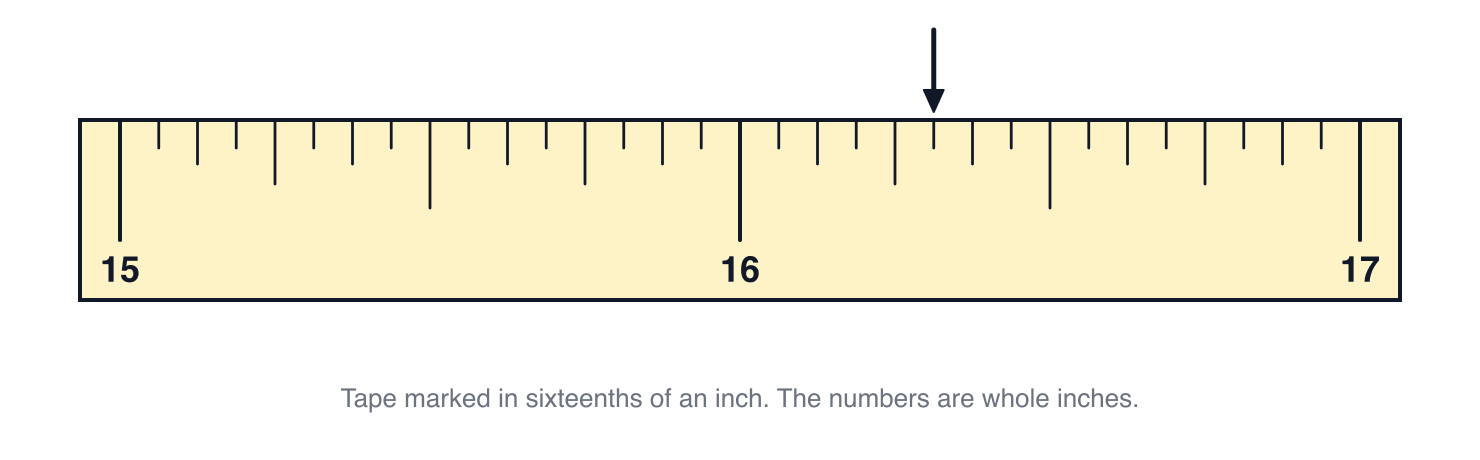
- A.16 3/8 in.
- B.15 5/16 in.
- C.16 5/16 in.
- D.16 1/4 in.
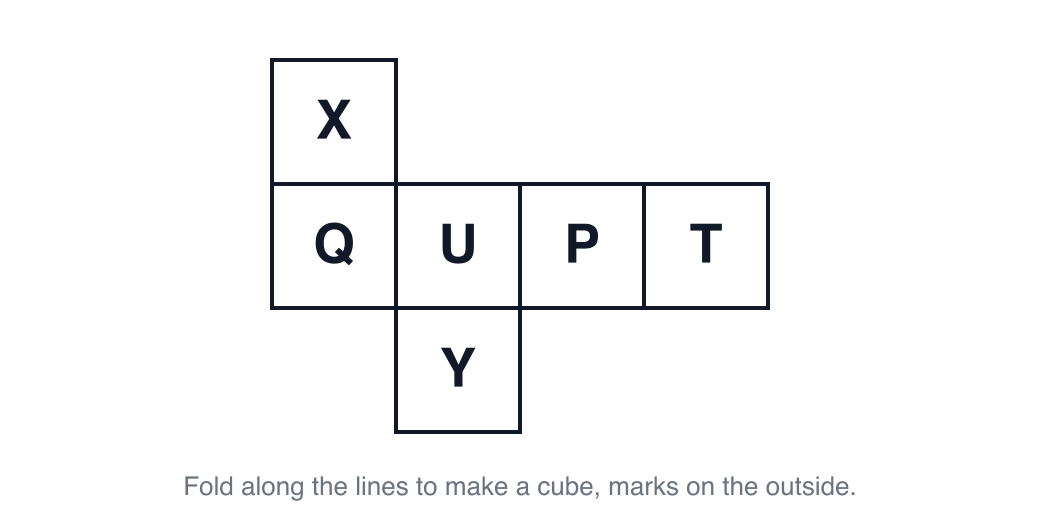
- A.Y
- B.P
- C.U
- D.T
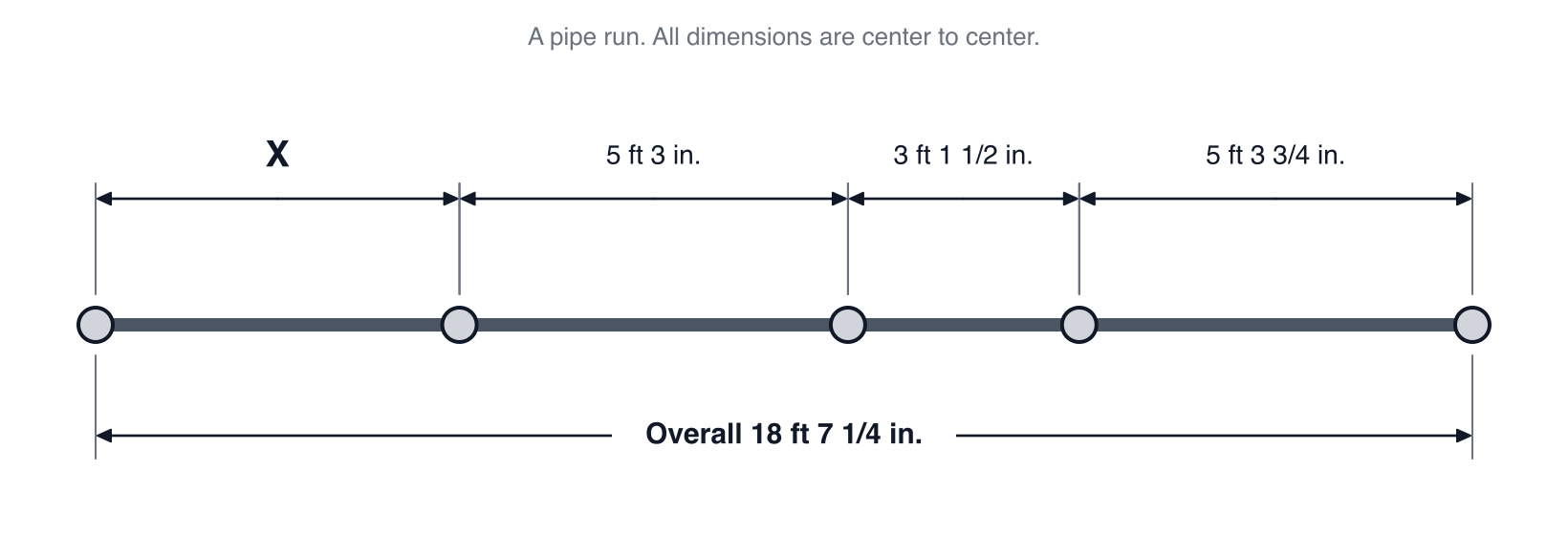
- A.3 ft 11 in.
- B.4 ft 11 in.
- C.5 ft 11 in.
- D.4 ft 11 1/2 in.
What test day at a UA local looks like
You apply during your local's application window, then get a test date. The test depends on the local: a battery such as GAN, ACT WorkKeys at a job center, the TABE, the Wiesen, or the local's own math test at the training center. Local 211 in Houston, for example, gives one hour with no calculator and allows up to three attempts.
Pass marks are set locally. The published ones we found are 65 percent at Local 447, 72 percent at Local 211 and WorkKeys level 4 on each test at Local 22. Passing usually earns an interview, and applicants are then ranked, so a higher score helps.
Our forms are independent practice built on what locals publish, not a copy of any local's test. Use your score to find the areas to study, not as a prediction of your result.
Keep prepping
Keep building score gains
Pipe Trades (UA) practice FAQs
Take the free pipe trades diagnostic
60 questions in 55 minutes, no calculator: reading, math, mechanical and spatial, with a worked explanation for every answer.
Start prepping